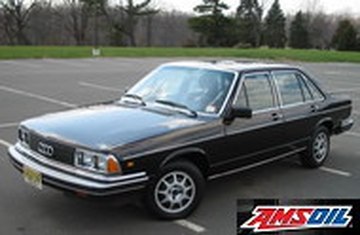
Maintaining the 1981 Audi 5000 2.0L Diesel Engine
Proper lubrication management is a cornerstone of long-term engine health, particularly for diesel engines like the 2.0L CN found in this 1981 Audi 5000. Because diesel combustion environments involve different thermal and chemical stresses than gasoline engines, staying diligent with fluid maintenance is essential for preserving mechanical integrity over time.Monitoring Fluid Integrity and Condition
Regularly observing the state of your engine oil can provide valuable insights into the overall health of the engine. When performing routine checks, look for changes in the lubricant's appearance or consistency. While diesel oil naturally darkens more quickly than gasoline-engine oil due to the nature of diesel combustion, extreme discoloration or a gritty texture should be investigated. If you notice any unusual mechanical noises during startup or while idling, it may warrant an inspection of the lubrication system. Similarly, if you observe any unexpected exhaust smoke, this can be associated with various internal conditions and should not be ignored. It is important to remember that symptoms like unusual odors or changes in engine sound can have multiple causes; therefore, they should be treated as indicators for further professional diagnosis rather than definitive proof of a specific component failure.Observing Potential Seepage and Leaks
As vehicles age, the integrity of various seals and gaskets may change. For an owner of a 1981 Audi 5000, conducting periodic visual inspections around the engine block and accessory areas is a practical maintenance step. Look for signs of fluid seepage or active leaks on the engine surfaces or where components meet. If you find evidence of oil residue in unexpected locations, it may indicate that a seal or gasket is beginning to lose its effectiveness. Addressing minor seepage early can prevent more significant issues later. During these inspections, also check the condition of any visible hoses or electrical connections to ensure they remain secure and free from deterioration. If your vehicle is equipped with accessible drive belts, inspect them for signs of cracking, glazing, or fraying, as these components are vital to the engine's accessory operation.Prioritizing Maintenance Based on Current Condition
When managing an older vehicle, it is often more effective to prioritize maintenance based on the actual current condition of the machine rather than relying solely on its age. If you do not have a complete service history for this 2.0L diesel engine, establishing a maintenance baseline is a wise first step. This involves documenting all recent fluid changes, filter replacements, and any repairs performed. If you are working with incomplete records, focus your attention on the most critical areas:- Addressing any active leaks or visible signs of seepage immediately.
- Monitoring for any changes in how much oil the engine seems to consume between service intervals.
- Inspecting aging materials, such as rubber components and wiring, for signs of brittleness or wear.
- Verifying that all fluid levels are within their appropriate operating ranges.
The Role of Clean Lubricant in Diesel Engines
Engine oil performs several vital roles that extend beyond simple lubrication. It helps manage heat within the engine and provides a level of protection against the buildup of deposits. In a diesel application, maintaining high oil quality is important for managing the chemical byproducts of combustion that naturally enter the crankcase. Using fresh, high-quality lubricant helps ensure that the engine remains free from sludge and other contaminants that can accumulate over time. Some high-mileage oil formulations contain additives intended for use in aging engines, including seal-conditioning additives that may assist in maintaining the flexibility of older gaskets. Regardless of the specific formulation chosen, the primary goal is to provide a stable environment that protects internal components from friction and thermal stress.Effective Record Keeping for Long-Term Ownership
For those committed to the long-term care of their 1981 Audi 5000, maintaining a detailed service log is one of the most beneficial habits an owner can develop. A consistent record of every oil change, filter replacement, and mechanical repair provides a clear picture of the vehicle's maintenance trajectory. Having these records allows you to:- Identify patterns in fluid consumption or component wear.
- Verify that service has been performed according to a logical schedule.
- Provide evidence of consistent care if the vehicle is ever appraised or sold.
- Make more informed decisions about when a component requires inspection versus replacement.
Practical Advice for Buying Engine Oil for your 1981 Audi 5000 2.0L
When it is time to replenish your engine's lubricant, ensure you are selecting a product that aligns with the specific requirements of your application. To ensure accuracy, match the engine oil to the application-specific viscosity information already displayed on this page. Do not rely on general automotive knowledge or assumptions based on the vehicle's age to determine the correct grade. Before making a purchase, follow these steps:- Verify that the product labeling matches the viscosity and specifications listed in your vehicle's application data.
- Check for appropriate API certifications to ensure the oil meets modern quality standards for diesel engines.
- Consider whether a conventional, synthetic blend, or full synthetic formulation is most suitable based on your specific driving needs and the information provided above.
- If you are managing an engine with higher mileage, you may look into high-mileage formulations that include additives designed for aging seals.